
The Foods, Nutrition & Dietetics Research aims to prevent and manage cardiometabolic diseases by developing proven dietary solutions and translating them into evidence-based dietary guidelines. With a strong emphasis on epidemiological and nutrition research, alongside randomised controlled trials, the department promotes practical and culturally adaptable dietary strategies to prevent and manage diabetes. It is the first centre in India to validate glycaemic index (GI) testing using the international ISO 2010 protocol and houses a specialised food and nutrition analytical laboratory within a healthcare research setting. Its major public-health nutrition work includes extensive dietary assessments in the CURES study and the landmark national dietary analysis from the ICMR-INDIAB study, providing critical insights into India’s rapidly changing dietary patterns and their impact on metabolic health.
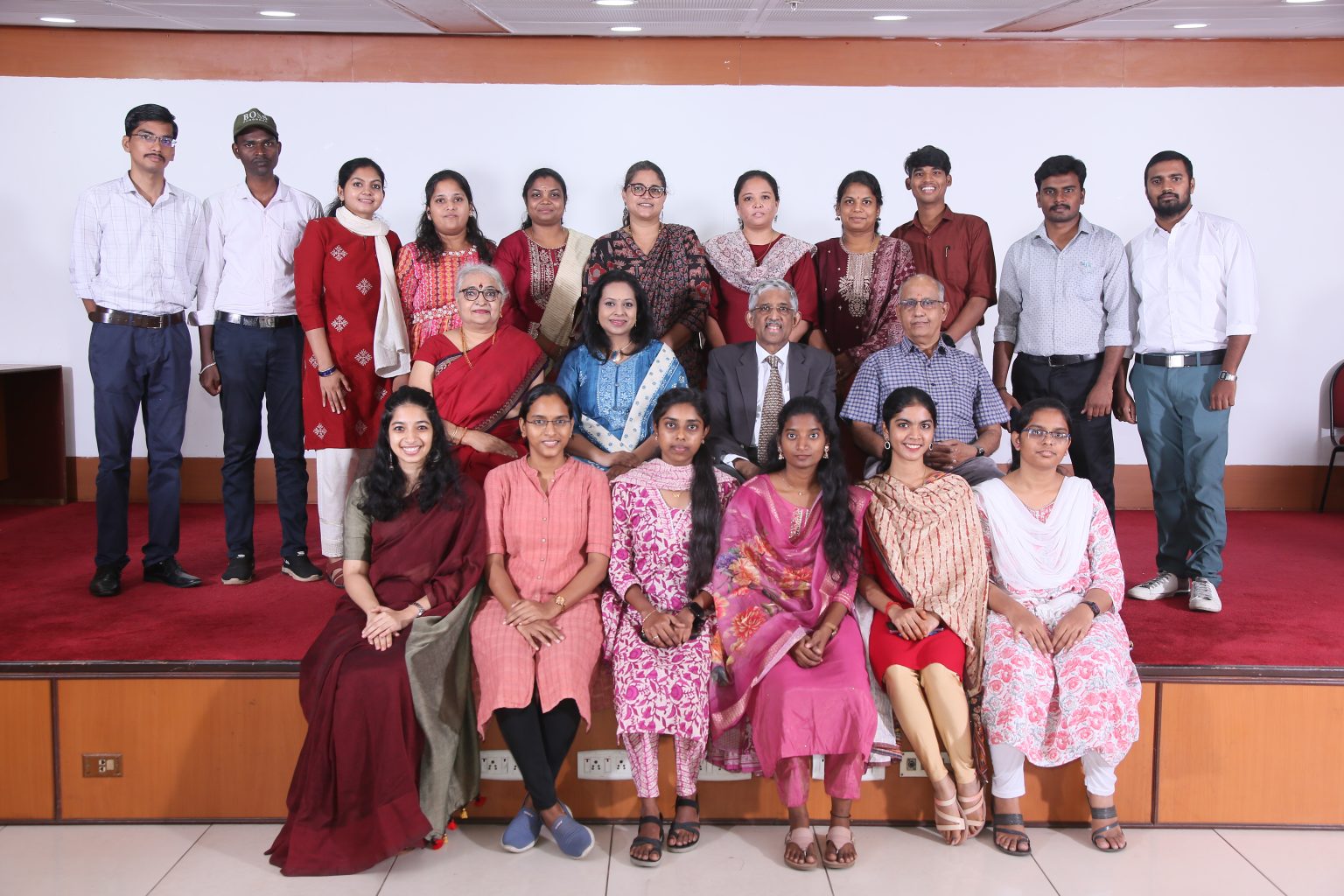
The department is headed by Ms Sudha Vasudevan, an accomplished nutrition scientist with extensive experience in public-health nutrition, dietary assessment, and metabolic research. She has played a key role in shaping large national studies, including the dietary component of the ICMR-INDIAB study, which revealed the profound influence of India’s evolving dietary habits on rising diabetes and obesity. Her leadership emphasises scientific rigour, culturally grounded dietary solutions, and translating nutrition evidence into practical public-health action, guiding the department towards innovations that improve nutritional wellbeing and metabolic outcomes across diverse populations.

Ms. Sudha Vasudevan
Departmental Research Highlights
350
Foods scientifically tested for Glycaemic Index (GI)
400
Foods analysed for proximate nutritional composition
25
Nutrition-based randomised controlled trials (RCTs) completed
103
peer-reviewed research publications in leading scientific journals

1st GI Testing center in India, Inauguration July, 2007
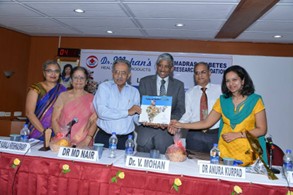
Dr Mohan’s Atlas of Indian Food 1st Edition, launch, June 2013
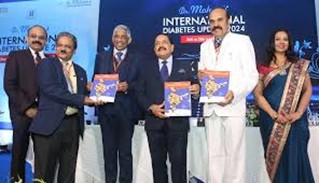
Dr Mohan’s Atlas of Indian Food 2nd Edition, launch, July 2024
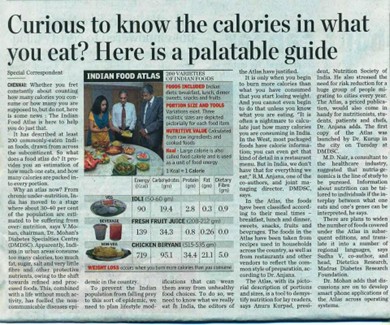
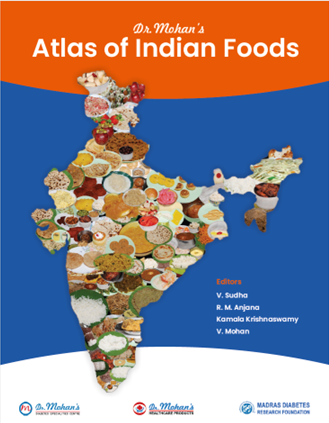
Dr Mohan’s Atlas of Indian Foods

What did the study find?
Carbohydrate Intake
Most Indians obtain around 62% of their total calories from carbohydrates, one of the highest proportions globally. Much of this intake comes from low-quality sources such as white rice, refined grains, and added sugars. White rice is the dominant staple in the South, East, and Northeast, while wheat is more commonly consumed in the North and Central regions. Millets—such as ragi, jowar, and bajra—serve as primary staples in only three states: Karnataka, Gujarat, and Maharashtra. Notably, added sugar consumption exceeds the national recommendation of <5% of energy intake in 21 states and union territories, highlighting a significant public-health concern.
Dietary Fat Intake
Although average total fat consumption generally remains within national recommendations (≤30% of energy), saturated fat intake exceeds the recommended limit (<7% of energy) in nearly all states except Jharkhand, Chhattisgarh, Arunachal Pradesh, and Manipur. Intakes of healthier fats, such as monounsaturated and omega-3 polyunsaturated fats, remain consistently low across the country.
Protein Intake
Protein intake in India is largely suboptimal, averaging 12% of daily energy, with the Northeast showing the highest intake at 14%. Most dietary protein is derived from plant-based sources such as cereals, pulses, and legumes (9% of energy). Consumption of dairy and animal protein varies widely but remains low nationwide, contributing just 2% and 1% of energy, respectively.
Dietary Carbohydrates and Their Influence on Diabetes Risk
High carbohydrate intake from foods such as white rice, refined grains, and added sugars is strongly linked to increased metabolic risk, including diabetes, prediabetes, and obesity. Modelling analyses show that replacing just 5% of daily carbohydrate calories with plant or dairy proteins significantly reduces this risk, whereas substitutions with red-meat protein or fats offer no such protection. These findings, consistent across regions regardless of staple carbohydrate sources, highlight the need for diets lower in carbohydrates and richer in high-quality plant and dairy proteins. National evidence from the long-term ICMR–INDIAB study and recent collaborations such as the CSIR-IGIB Phenome India dietary survey reinforce the urgency for policy reforms, improved public-health messaging, and multisectoral action to promote healthier, protein-adequate diets across India.
Glycaemic Index (GI) Testing at MDRF
MDRF was the first centre in India to initiate Glycaemic Index (GI) testing in 2007, following the publication of its validated protocol. Earlier GI methods used by WHO/FAO (1998) and subsequent international task forces were further validated and published by MDRF in collaboration with the International GI Testing Centre at Oxford Brookes University, UK, as part of a global inter-laboratory comparison. Since the introduction of the ISO 2010 GI methodology—which is based on the WHO/FAO protocol—the department has routinely adopted this international standard for all GI assessments.
The department undertakes GI testing for national and international research agencies as well as food-industry partners, including both prototype and commercially released products. To date, more than 350 foods have been tested through in-vivo trials involving healthy human volunteers. The GI testing facility includes a specialised test kitchen where recipes are standardised and prepared for both GI and iso-caloric feeding trials. The centre has evaluated both in-house food products (n = 10) and commercial products (n = 40).
MDRF welcomes collaborations for GI testing from food and pharmaceutical industries, academic institutions, government organisations, non-governmental bodies, and research institutions.
For further enquiries, please contact:
Mrs Sudha Vasudevan: 98400 14480
Ms Mookambika Ramya Bai: 99622 42087
Ms Kalpana N: 96772 10779
Email: GIfndr.mdrf@gmail.com
Diet Assessment Tools and Resources Developed at MDRF
The department has developed a unique meal-based Food Frequency Questionnaire (FFQ) that captures commonly consumed meals, snacks, and beverages to assess long-term dietary intake in diverse populations. This FFQ has been scientifically validated and published in a peer-reviewed journal. To support accurate dietary assessment, Dr Mohan’s Atlas of Indian Foods was created, featuring real-food images and standard portion sizes commonly eaten across India; the second edition of this atlas is available at DSC. In addition, the department has developed EpiNu, a nutrition-analysis software that converts FFQ-based or other dietary data into detailed nutritional profiles. The software includes more than 1,500 recipes, popular processed foods, and comprehensive food-composition tables for raw ingredients.
The department provides guidance to research students, academic institutions (national and international), and industry partners on the use of the validated FFQ, Atlas of Indian Foods, and EpiNu software. MDRF’s FFQ has been widely used by master’s and PhD students, faculty from universities and research institutes, as well as international collaborators studying dietary intake and chronic disease risk among migrant and non-migrant Indian populations. Support is offered to academic and research organisations—including government bodies, NGOs, and private institutions—for conducting diet-assessment surveys using EpiNu and the Atlas.
For further enquiries, please contact:
Mrs Gayathri R: 90940 27587 / Mrs Sivasankari: 90807 28201
Email: EpiNufndr.mdrf@gmail.com
Nutrition – Randomised Controlled Trials (RCTs)
The department has led several pioneering nutrition-based randomised controlled trials, beginning with India’s first use of continuous glucose monitoring (CGM) systems to evaluate the 24-hour glycaemic impact of healthier foods and product formulations. In collaboration with the Harvard T.H. Chan School of Public Health and Harvard Medical School, MDRF conducted landmark RCTs replacing white rice with whole-grain brown rice to study metabolic outcomes (brown rice publications).
The department has also conducted several RCTs evaluating the metabolic benefits of nuts—including cashew, almond, pistachio, and peanut—among adults with type 2 diabetes, overweight individuals without diabetes, and adults with prediabetes. These studies consistently demonstrated favourable effects on glycaemic, lipid, and inflammatory markers. Media and research publications include:
In addition, the department has evaluated high-protein and high-fibre nutritional supplements and their effects on glycaemic control, lipid profiles, inflammation, and the gut microbiome, with results published in international journals. MDRF also conducted India’s first comprehensive RCT on the non-nutritive sweetener sucralose, involving over 400 overweight, non-diabetic and type 2 diabetic adults. The study demonstrated that when used judiciously in place of added sugar, sucralose may support gradual weight reduction without adverse cardiometabolic effects.
Inflammatory responses to dietary patterns were studied through a unique crossover iso-caloric diet trial comparing low and high advanced glycation end-product (AGE) diets in overweight adults—another first-of-its-kind RCT in India. Overall, the department has successfully completed 25 acute and long-term nutrition intervention trials aimed at improving metabolic health and supporting the prevention and management of diabetes.
Research Infrastructure and Facilities
The department is equipped with a specialised metabolic kitchen and dedicated dining area to support Glycaemic Index (GI) testing and meal-based randomised controlled trials. Research dietitians provide expert support for personalised and group meal planning, diet development, and nutrition counselling. These facilities enable high-quality, controlled dietary interventions for human volunteer studies.

Test Kitchen

Controlled Feeding Dining Area

Glycemic Index Testing Area
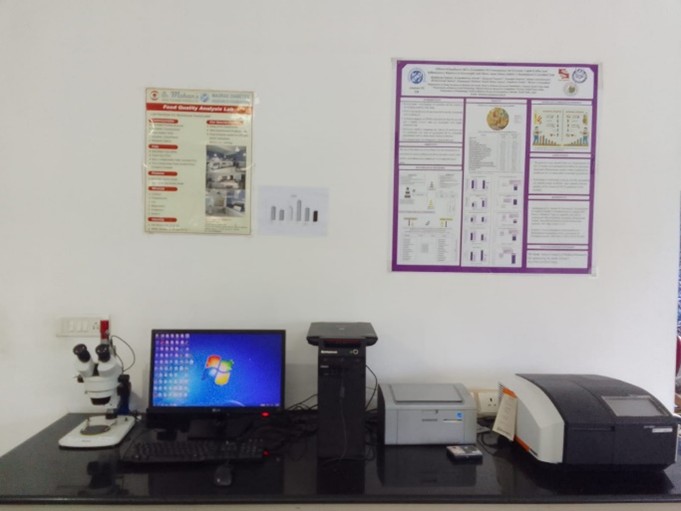
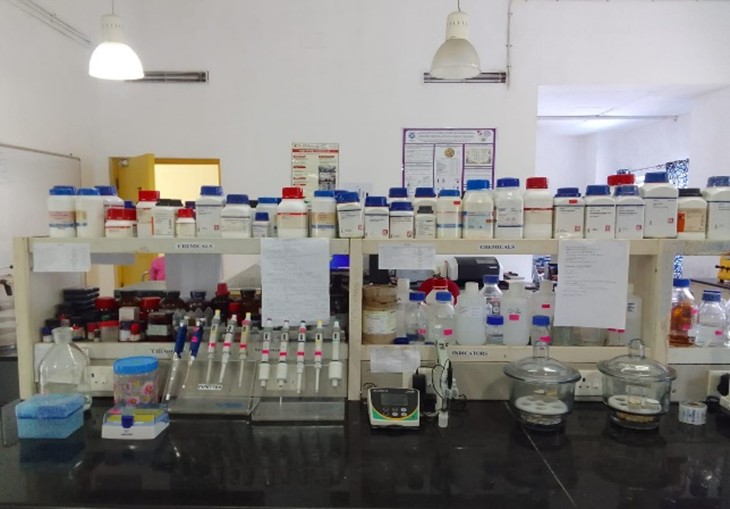
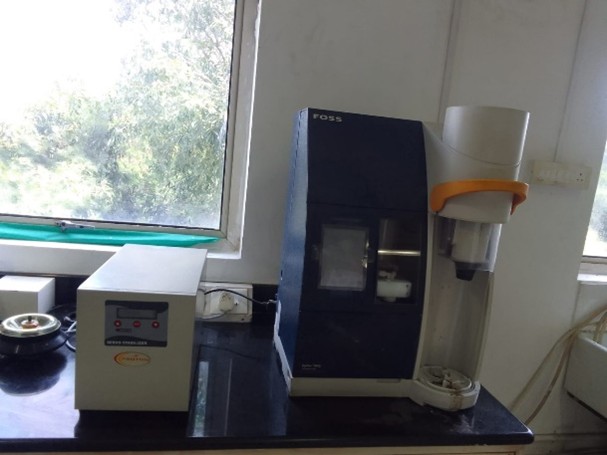
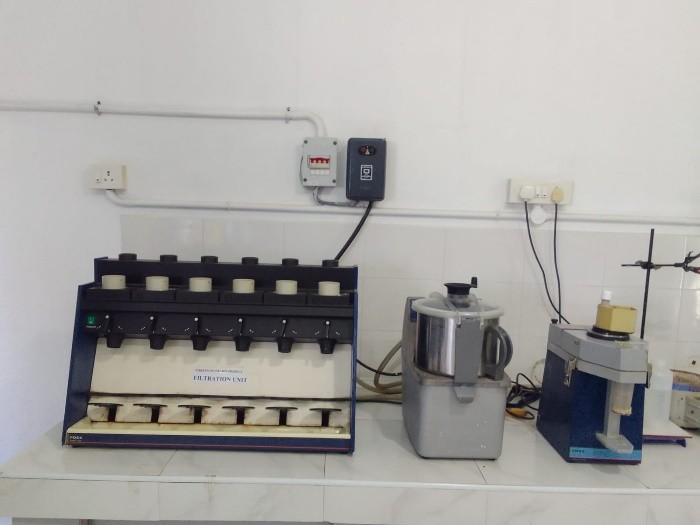
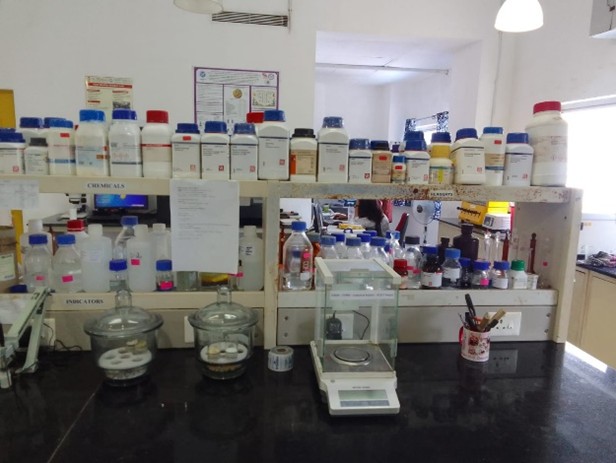
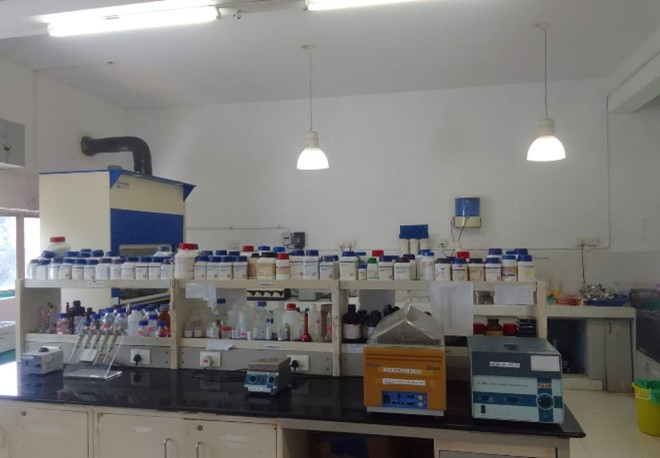
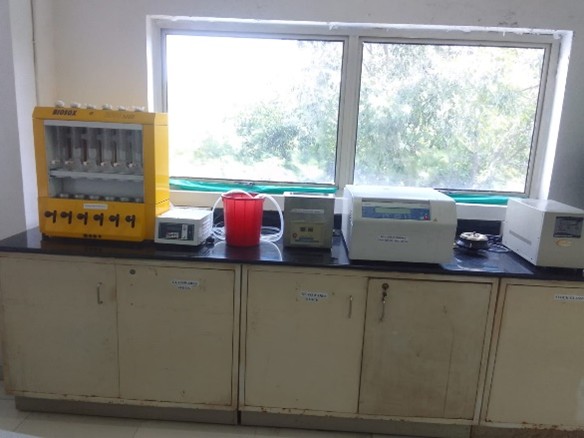
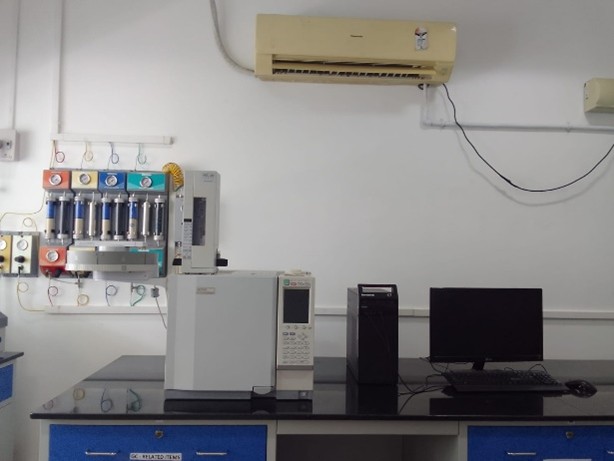
Food and Nutrition Quality Analysis Laboratory
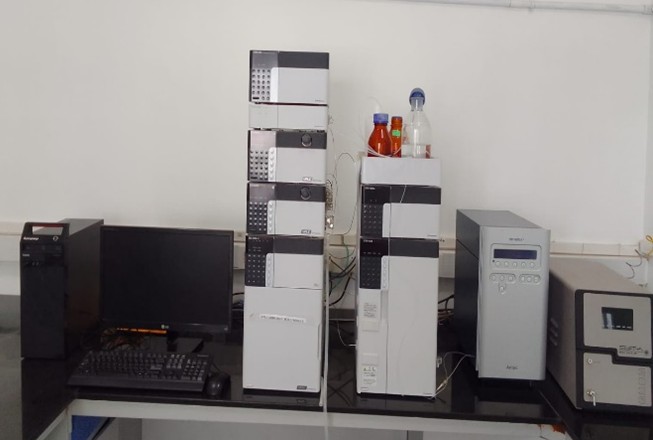
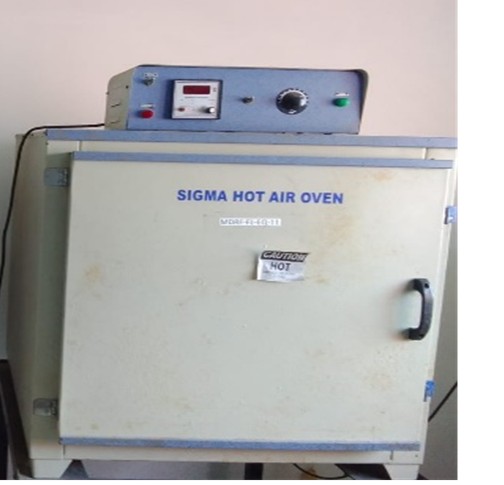
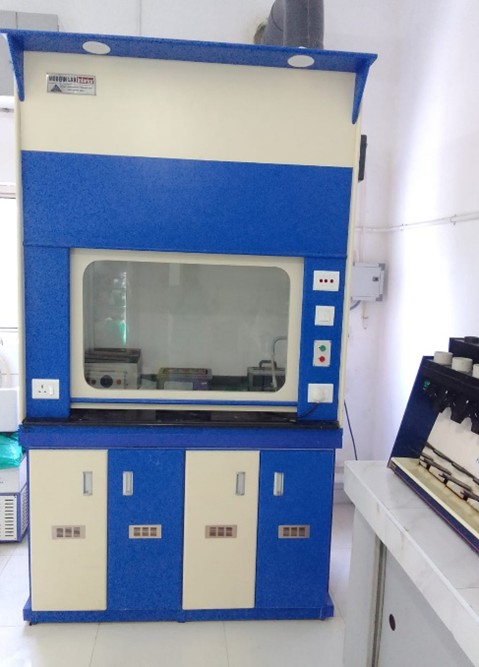
The Food and Nutrition Quality Analysis Laboratory operates under the guidance of Dr Ganesh Jeevan, Senior Advisor and expert in analytical chemistry and instrumentation, supported by senior laboratory analysts and a senior nutrition biochemist. The laboratory is fully equipped to conduct comprehensive proximate analyses, including moisture, ash, protein, fat, available carbohydrates (via direct enzymatic methods), added sugars, dietary fibre, resistant starch, and amylose content. It houses gas chromatography for detailed fatty-acid profiling of foods and human plasma, and high-performance liquid chromatography for carbohydrate and amino-acid profiling.
The laboratory also evaluates biochemical markers—such as inflammatory markers, gut hormones, and plasma fatty acids—to assess outcomes and compliance in randomised controlled trials, particularly those related to cardiometabolic health and diabetes. The facility undertakes food-composition analysis for nutritional labelling, prototype product development, food-ingredient testing, and research support for food and pharmaceutical industries, government bodies, NGOs, and academic institutions.
For further enquiries, please contact:
Ms Mookambika Ramya Bai: 99622 42087
Ms Parkavi K: 96297 68804
Email: fqalfndr.mdrf@gmail.com

Interested in collaborations?