
The Department of Preventive & Digital Health Research (DPDHR) is a dynamic and future-focused unit committed to transforming how prevention is conceptualized, delivered, and scaled in the digital era. With a strong foundation in epidemiology and community health, we integrate public health principles with cutting-edge digital technologies to address the growing burden of diabetes, obesity, other NCDs as well as physical inactivity in India.
At DPDHR, our core strength lies in the design, evaluation, and dissemination of lifestyle-based interventions that are not only scientifically robust but also culturally tailored and scalable. We actively develop and validate tools such as population-level risk assessment instruments, mobile health (mHealth) applications, wearable-integrated platforms, and AI-driven behavior change solutions. These innovations support early detection, promote healthy behaviors, improve physical activity and empower individuals, families, and communities to take charge of their health.
- Empowering individuals with tools and knowledge to make informed health decisions through accessible digital platforms such as mobile apps, telehealth services, wearable technologies, and AI-based solutions.
- Bridging research and practice by translating scientific findings into real-world programs that can be adapted and scaled in both rural and urban settings.
- Collaborating with policymakers to develop data-driven strategies that inform public health guidelines, influence health systems, and drive structural change.
- Fostering innovation through interdisciplinary research that addresses the complex and evolving challenges of chronic disease prevention, including diabetes, cardiovascular diseases, and lifestyle-related conditions.
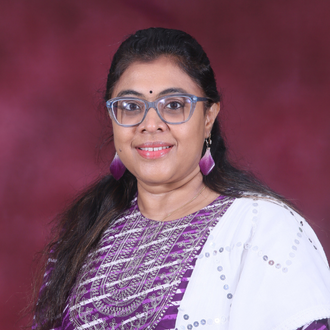
Dr. Ranjani Harish
Activities
Past activities
Prevention Awareness Counseling Evaluation; PACE (2004-2008)
Launched on 24 September 2004 with support from the Chennai Willingdon Corporate Foundation, PACE conducted 780 free screening camps, screening 80,000 people and creating awareness about diabetes among 2 million residents of Chennai. Through 97 public counters and school programs, the project increased diabetes awareness by 6% (approximately 180,000 more informed adults), enabling early detection and better control.
PACE is regarded as one of India’s largest community-based diabetes programs.
Publication (few selected ones):
Somannavar S, Lanthorn H, Deepa M, Pradeepa R, Rema M, Mohan V. Increased awareness about diabetes and its complications in a whole city: effectiveness of the “prevention, awareness, counselling and evaluation” [PACE] Diabetes Project [PACE-6]. J Assoc Physicians India. 2008;56:497-502.
Ranjani H, Padmaja U, Anushree VM, Viknesh PA, Suresh S, Mohan V. Improvement and knowledge of diabetes among general practitioners after a structured diabetes training program (PACE – 7). Journal of Association of Physicians of India (Tamil Nadu Chapter). 2012;4: 1-5.
myArogya App study (Impact of Noncommunicable Disease Text Messages Delivered Via an App in Preventing and Managing Lifestyle Diseases: Results of the ‘myArogya’ Worksite-Based Effectiveness Study from India) (2015-2018)
This worksite-based randomized study in India assessed the effectiveness of the “myArogya” mobile app in preventing and managing lifestyle diseases, particularly diabetes, by delivering twice-weekly noncommunicable disease (NCD) prevention messages via app modules over six months. A total of 674 adult participants from eight workplaces were randomized into two groups: an intervention arm that installed the app and received messages, and a control group without the app.
The myArogya app facilitated significant improvements in key cardiometabolic and behavioral metrics—especially among individuals with prediabetes—though many positive behavior changes occurred in both groups.
Publication (few selected ones):
Ranjani H, Nitika S, Anjana RM, Ramalingam S, Mohan V, Saligram N. Impact of noncommunicable disease text messages delivered via an app in preventing and managing lifestyle diseases: Results of the “myArogya” worksite-based effectiveness study from India. Journal of Diabetology. 2020;11:90-100.
Diabetes Community Lifestyle Improvement Program; D-CLIP (2008–2012)
D-CLIP is a culturally tailored diabetes prevention trial conducted by MDRF in collaboration with the Global Diabetes Research Centre (GDRC) and Emory University, supported by the International Diabetes Federation’s BRIDGES program. Based on the U.S. Diabetes Prevention Program model, D-CLIP tested the impact of aggressive lifestyle intervention, healthy eating, exercise, and behavior change on individuals with prediabetes. Nearly 2,000 adults (20–65 years) from 25 Chennai communities were screened, with eligible participants randomized to receive either standard care or a structured 16-lesson lifestyle program.
D-CLIP demonstrated the feasibility and effectiveness of culturally adapted lifestyle interventions in preventing diabetes in India.
Publications (few selected ones):
Weber MB, Harish R, Meyers GC, Mohan V, Narayan KM. A model of translational research for diabetes prevention in low and middle-income countries: The Diabetes Community Lifestyle Improvement Program (D-CLIP) trial. Primary Care Diabetes.2011; 5: 223 – 229.
Anjana RM, Ranjani H, Unnikrishnan R, Weber MB, Mohan V, Venkat Narayan KM. Exercise patterns and behaviour in Asian Indians: Data from the baseline survey of the Diabetes Community Lifestyle Improvement Program (D-CLIP). Diabetes Research and Clinical Practice. 2015; 10: 77-84
Weber MB, Ranjani H, Staimez LR, Anjana RM, Ali MK, Narayan KMV, Mohan V. The Step-wise Approach to Diabetes Prevention: Results from the D-CLIP Randomized Controlled Trial.Diabetes Care. 2016; 39: 1760 – 1767.
Pyo E, Weber MB, Sivaram J, Staimez LR, Mohan V, Anjana RM, Haardörfer R, Ranjani H. Construct validity of the 12-item Short Form Health Survey (SF-12) version 2 and the impact of lifestyle modifications on the health-related quality of life among Indian adults with prediabetes: results from the D-CLIP trial. Quality of Life Research. 2024 Apr 12.
Obesity Reduction and Awareness of Non-communicable diseases through Group Education; ORANGE (2008–2010)
Obesity Reduction and Awareness of Non-communicable diseases through Group Education – a large-scale school and community program to assess and address childhood obesity and related NCD risk factors in Chennai. In Phase I, 25,000 school children (6–19 years) from 50 schools and 2,000 children from colonies were targeted for screening of obesity, diabetes, hypertension, dyslipidemia, metabolic syndrome, and MODY. Phase II focused on awareness through talks, skits, puppet shows, quizzes, and debates, with programs completed in 8 schools.
The ORANGE Study raised awareness about health and nutrition education through the efforts of both teachers and peers, allowing children (over 3500) and adolescents (over 19000) to play an active role in health education.
Publications (few selected ones):
Ranjani H, Sonya J, Anjana RM, Mohan V. Prevalence of glucose intolerance among children and adolescents in urban South India (ORANGE-2). Diabetes Technol Ther. 2013;15(1):13-19.
Sonya J, Ranjani H, Priya M, Anjana RM, Mohan V. Prevalence of over-weight and obesity among school going children and adolescents in Chennai using a national and international cut point (ORANGE-3) Indian Pediatr. 2014;51:544–9.
Panuganti P, Mehreen TS, Anjana RM, Mohan V, Mayer-Davis E, Ranjani H. Influence of Socioeconomic Status on Knowledge of Obesity and Diabetes among Adolescents in Chennai, South India. Children (Basel). 2017;4(8):61.
Mehreen TS, Kamalesh R, Pandiyan D, et al. Incidence and Predictors of Dysglycemia and Regression to Normoglycemia in Indian Adolescents and Young Adults: 10-Year Follow-Up of the ORANGE Study. Diabetes Technol Ther. 2020;22(12):875-882.
Mehreen TS, Ranjani H, Kamalesh R, Ram U, Anjana RM, Mohan V. Prevalence of polycystic ovarian syndrome among adolescents and young women in India. Journal of Diabetology. 2021;12:319-25.
Mehreen TS, Harish R, Kamalesh R, Anjana RM, Mohan V. Non-alcoholic fatty liver disease in Asian Indian adolescents and young adults: Prevalence and its associated risk factors. Journal of Diabetolgy. 2021;12:218-23.
Built Environment and Physical Activity–India Study- Adolescent Component; BE ACTIV INDIA (2014–2016)
Part of the 14-country International Physical Activity and Environment Network (IPEN), this first-of-its-kind Indian study examined how the built environment, including homes, schools, parks, pedestrian pathways, and access to facilities, affects physical activity, sedentary behavior, and metabolic health in adolescents. Conducted in Chennai among 600 participants aged 12–18 years, the study used GIS mapping, questionnaires, and accelerometry to assess neighborhood and school environments, safety, accessibility, and travel patterns.
Findings show evidence-based urban planning and policy to improve adolescent physical activity and help prevent NCDs.
Publication (few selected ones):
Abishamala Kinglsy, Anna Temperio, Jenny Veitch, Jo Salmon,, Rajendra Pradeepa, Ranjani H, Anjana RM. Individual, Social and Environmental Correlates of Active School Travel among Adolescents in India Int. J. Environ. Res. Public Health 2020, 17, 7496; doi:10.3390/ijerph17207496
Aarthi GR, Mehreen Begum TS, Moosawi SA, Kusuma D, Ranjani H, Paradeepa R, Padma V, Mohan V, Anjana RM, Fecht D. Associations of the built environment with type 2 diabetes in Asia: a systematic review. BMJ Open. 2023;13:e065431
Anjana RM, Ranjani H, Cerin E, et al. Associations of perceived neighbourhood and home environments with sedentary behaviour among adolescents in 14 countries: the IPEN adolescent cross sectional observational study. Int J Behav Nutr Phys Act. 2024;21(1):136.
Mobile health technology for the prevention of type 2 diabetes; mDiab Study (2015–2018)
The mDiab (Mobile Health Technology for the Prevention of Type 2 Diabetes) study evaluated the effectiveness of delivering lifestyle modification through mobile technology. Participants at risk for diabetes received a structured program comprising video-based lessons on healthy diet, physical activity, and behavior change, along with regular coach calls for motivation and personalized guidance. This approach resulted in moderate weight loss and improvements in lifestyle behaviors. The findings provided strong evidence that mHealth interventions can be a scalable, cost-effective strategy for diabetes prevention in community settings.
The mDiab study asserted that moderate weight loss can be achieved with the help of lifestyle modification through video lessons and coach calls using a health app.
Publications (few selected ones):
Muralidharan S, Mohan V, Anjana RM, Jena S, Tandon N, Allender S, Ranjani H. Mobile Health Technology (mDiab) for the Prevention of Type 2 Diabetes: Protocol for a Randomized Controlled Trial. JMIR Research Protocols. 2017;6:e242.
Muralidharan S, Ranjani H, Mohan Anjana R, et al. Engagement and Weight Loss: Results from the Mobile Health and Diabetes Trial. Diabetes Technol Ther. 2019;21(9):507-513.
Muralidharan S, Ranjani H, Anjana RM, Gupta Y, Ambekar S, Koppikar V, Jagannathan N, Jena S, Tandon N, Allender S, Mohan V. 1 Change in cardiometabolic risk factors among Asian Indian adults recruited in a mHealth- based diabetes prevention trial. Digital Health. 2021; 7: 1–10.
A pilot multicentre open label parallel arm RCT evaluating whether yoga can delay initiation of insulin therapy in patients with type 2 diabetes mellitus with suboptimal glycemic control on near maximal oral drugs and/or who may require insulin therapy in near future (2017–2020)
A multicentre, open-label, parallel-arm randomized controlled trial assessing whether yoga can delay the need for insulin therapy in adults with type 2 diabetes who have suboptimal glycemic control despite near-maximal oral therapy. The primary endpoint was the proportion of participants with a ≥1% increase in HbA1c at 4, 8, and 12 months. The study found that yoga reduced HbA1c, and enhanced attention, concentration, and cognitive function, highlighting its value as a holistic adjunct in diabetes management.
This study highlighted the benefits of yoga on weight, waist size and on the emotional and mental well-being of a person.
Publication (few selected ones):
Gupta A, Gupta Y, Anjana RM, Ranjani H, Kalaivani M, Goyal A, Jagannathan N, Sharma S, Mittal B, Radhakrishnan VK, Garg V, Sharma G, Jyotsna VP, Sagar R, Mohan V, Tandon N. Association of cognitive impairment with sleep quality, depression and cardiometabolic risk factors in individuals with type 2 diabetes mellitus: A cross sectional study. Journal of Diabetes and its Complications. 2021;35:107970.
The Impact of Yoga on Stress, Metabolic Parameters and Cognition (Attention and Concentration) in Indian Adolescents (2017–2020)
A school-based multicentre intervention examining the impact of yoga on stress, metabolic parameters, and cognitive performance among Indian adolescents. The program, implemented over 16 weeks in a structured timetable, incorporated guided yoga postures, breathing techniques, and mindfulness practices. Outcomes demonstrated a significant reduction in stress scores and salivary cortisol levels, alongside measurable improvements in attention, concentration, and overall cognitive function. These findings highlight yoga as a practical, low-cost, and culturally adaptable strategy for promoting adolescent mental and physical health within the school environment.
Yoga Diab emphasised the importance of physical activity, especially in children (1800 students), showing that yoga can improve the overall health of the children and enhance their attention and concentration, which can help them in studies and other activities.
Publication (few selected ones):
Gupta A, Gupta Y, Anjana RM, Ranjani H, Kalaivani M, Goyal A, Jagannathan N, Sharma S, Mittal B, Radhakrishnan VK, Garg V, Sharma G, Jyotsna VP, Sagar R, Mohan V, Tandon N. Association of cognitive impairment with sleep quality, depression and cardiometabolic risk factors in individuals with type 2 diabetes mellitus: A cross sectional study. Journal of Diabetes and its Complications. 2021;35:107970.
Integrating Diabetes Prevention in Work places Study; INDIA-WORKS (2017–2021)
INDIA-WORKS study tested a peer-led lifestyle intervention program among employees in multiple worksites. Through group sessions, peer support, and workplace-based activities, the program successfully motivated participants to adopt healthier diets, increase physical activity, and sustain lifestyle changes. The findings highlighted the feasibility and effectiveness of delivering diabetes prevention programs in workplace settings, leveraging peer networks for long-term impact.
INDIA-WORKS, a peer-led lifestyle intervention programme that included employees from ten different locations, inspired thousands of people to live healthier, more active lives.
Publication (few selected ones):
Weber MB, Rhodes EC, Ranjani H, Jeemon P, Ali MK, Hennink MM, Anjana RM, Mohan V, Narayan KMV, Prabhakaran D. Adapting and scaling a proven diabetes prevention program across 11 worksites in India: the INDIA-WORKS trial. Implementation Science Communuications. 2023;4:134.
Digital Interventions for Health Promotion and prevention of type 2 diabetes and cardiovascular diseases in South India; Phase 1 (2018–2021)
This project evaluated mobile applications for the prevention of type 2 diabetes and cardiovascular disease among South Asians. Two locally developed apps and two commercial apps were pilot-tested in rural and urban settings, assessing usability, engagement, and behavior change. The intervention led to measurable improvements, including reductions in blood sugar, cholesterol, anthropometric measures, and enhanced lifestyle behaviors such as increased physical activity and healthier dietary patterns.
Publications (few selected ones):
Ranjani H, Nitika S, Hariharan R, Charumeena H, Oliver N, Pradeepa R, Chambers JC, Unnikrishnan R, Mohan V, Avari PE, Anjana RM. Systematic review and scientific rating of commercial apps available in India for diabetes prevention. Journal of Diabetology. 2021;12:28592.
Ranjani H, Avari P, Nitika S, Jagannathan N, Oliver N, Valabhji J, Mohan V, Chambers JC, Anjana RM. Effectiveness of Mobile Health Applications for Cardiometabolic Risk Reduction in Urban and Rural India: A Pilot, Randomized Controlled Study. Journal of Diabetes Science and Technology. 2025; 1–15
Taking High-Intensity Interval Training [HIIT] ANd Dance to Adolescents for Victory over Noncommunicable Diseases [NCDs) Pilot Study; THANDAV (2022–2023)
A Novel High-Intensity Short-Interval Dance Intervention for NCD Prevention in Asian Indian Adolescent Girls (THANDAV). This pilot study introduced a culturally tailored program combining dance and high-intensity interval training (HIIT) to promote physical activity and fitness among adolescent girls. Implemented in a school setting, the intervention aimed to make exercise engaging and sustainable while addressing barriers to activity in this population.
Results demonstrated increased daily step counts, reduced resting heart rate, and positive shifts in lifestyle behaviours, underscoring the potential of innovative, enjoyable formats like THANDAV in adolescent NCD prevention strategies.
Publications (few selected ones):
Anjana RM, Nitika S, Sinha S, Kuriyan R, Pradeepa R, Palmer C, Kurpad AV, Mohan V, Sallis J, Ranjani H. A Novel High-Intensity Short Interval Dance Intervention (THANDAV) to Improve Physical Fitness in Asian Indian Adolescent Girls. Diabetes Technology and Therapeutics. 2021 Apr 12.
Anjana RM, Nitika S, Jagannathan N, Vinothini D, Yuvarani K, Mohan V, Pradeepa R, Palmer CNA, O;Shea M, Goenka S, Manian R, Karthik Raj A, Surendran S, Unnikrishnan R, Sallis JF, Ranjani H. A Novel High-Intensity Short Interval Dance Intervention (THANDAV) for Non-Communicable Disease Prevention Tailored to Asian Indian Adolescent Girls. Journal of Diabetes Science and Technology. 2025: Apr 21:19322968251332925
Digital Health Equity for CVD Prevention in People Living with Diabetes in LMICs; DIG-EQUITY (2022 – 2024)
This study investigated digital health equity in mHealth and telehealth interventions aimed at cardiovascular disease prevention among individuals with diabetes in low- and middle-income countries. The project aimed to identify barriers, facilitators, and best practices to ensure that digital solutions are inclusive, accessible, and effective for all segments of the population.
The study found that equity remains a major challenge, as disparities in resources, urban–rural gaps, gender divides, and mental barriers continue to limit access and participation.
Co-creation of culturally informative infographics about DHIs for diabetes (2023-2024)
The project’s goal was to design and collaborate on the creation of culturally relevant infographics, materials, and guidelines for South Asians living in the UK and India who either have diabetes or are at risk of getting it and to raise awareness of digital health platforms. It also aimed at strengthening the relationships between UCL and the Madras Diabetes Research Foundation.
Promoting Physical Activity for Health and Wellbeing in India: Landscape analysis and good practice recommendations (2024 – 2025)
Funded by the World Health Organization (WHO), this project conducted a qualitative survey to map existing physical activity promotion policies and programs in India. The study aimed to document good practices, identify gaps, and provide actionable insights to strengthen national strategies for increasing physical activity and improving population health.
Current activities
Digital Interventions for Health Promotion and Prevention of Type 2 Diabetes and Cardiovascular Disease in South Asians; Phase 2 (2022–2026)
This randomized controlled trial evaluates the effectiveness and cost-effectiveness of My Sugar Journey, mHealth application designed to promote lifestyle modification for the prevention of type 2 diabetes and cardiovascular disease. The study is being implemented in both urban and rural settings of Chennai and Delhi, with participants randomized to a digital intervention group or a control group receiving usual care. Primary outcomes include incidence of diabetes (measured using OGTT and/or HbA1c), while secondary outcomes assess anthropometric, metabolic, behavioural, and quality of life measures. App usability—such as time spent and number of log-ins—is also monitored. The findings aim to generate evidence on scalable digital health solutions for high-risk South Asian populations.
FLUence: A multi-national study of physicians’ knowledge, attitudes and practice regarding Influenza vaccination in patients with cardiovascular diseases (2025-2027)
This qualitative study aims to assess the implementation barriers and facilitators of influenza vaccination among Health Care Practitioners [HCP] from Argentina and India.
Publication (few selected ones):
Garcia-Zamora S, Koh AS, Stoica S, et al. Rationale and Design of a Multi-National Study of Physicians’ Opinions, Attitudes, and Practices Regarding Influenza Vaccination in Patients with Cardiovascular Diseases: A Mixed Methods Designs. The FLUence Project. Glob Heart. 2024;19(1):78

THANDAV classes
A significant achievement of our department has been the sustained dissemination of THANDAV—conducting 27 workshops in India and abroad since May 2022, and successfully running regular weekly classes since October 2023, with 72 sessions completed to date.
For any queries, feel free to reach out to us: 9345942210 or thandav.trd@gmail.com
Visit our website thandav.in and register for THANDAV classes
Follow us on Instagram: https://www.instagram.com/thandav_drmohans
Like us on Facebook: https://www.facebook.com/thandavdrmohans
Visit our website: https://www.thandav.in
WhatsApp channel for more updates: https://whatsapp.com/channel/0029VayW2Ty4o7qK3puvwC0u
Publications
Interested in collaborations or wellness initiatives?