
Visual impairment due to diabetes is a major public health concern. Recognising this challenge, the Ocular Research at MDRF was established in 1996 to study retinal diseases associated with diabetes. The department’s research encompasses a wide spectrum, including clinical, biochemical, genetic, epidemiological, and experimental aspects of diabetic eye disease.
Its research efforts aim to elucidate the molecular mechanisms of retinal neovascularisation, thereby paving the way for future therapeutic strategies. The department has also established India’s first retinal endothelial cell culture facility, enabling advanced molecular-level investigations.
In 2003, the department launched a Ph.D. programme in ophthalmology, and three students have successfully completed their doctorates under the mentorship of Dr M. Rema.
As Head of the Department, Dr Poongothai has played a pivotal role in strengthening MDRF’s clinical trial infrastructure by ensuring protocol adherence, regulatory readiness, and operational excellence. She has successfully guided the organisation through audits by EMEA, DCGI, and numerous international sponsors. A respected speaker at national and international conferences, she is widely recognised for her expertise in research ethics, protocol development, informed consent, safety reporting, and participant retention. With over 50 peer-reviewed publications exploring depression, impaired glucose tolerance, diabetes, and its complications, she has made significant academic contributions. Her achievements include the Best Poster Presentation Award for participant retention and the Ahuja Award for her work on depression and diabetes. Her invited lectures at institutions such as Duke University, Sanofi-Aventis, and Novo Nordisk further highlight her leadership in advancing India’s clinical trial landscape, while her record of achieving 100% follow-up across more than 168 trials underscores her exceptional professional commitment.

Dr. Rajalakshmi

Dr. Prathiba
Facilities
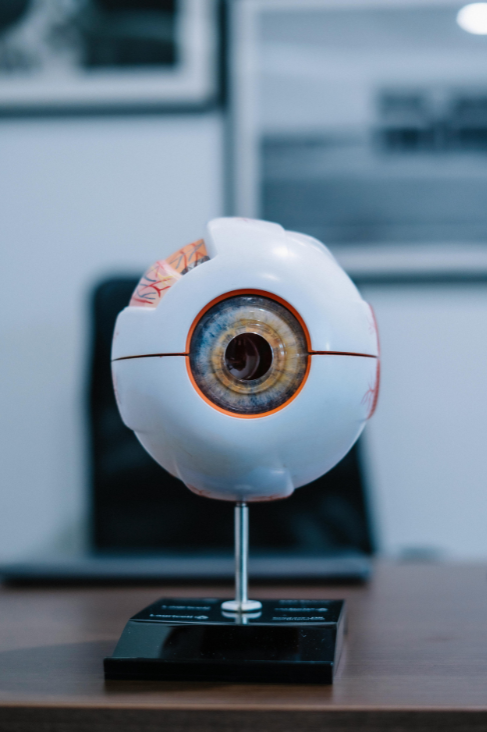
- Indirect ophthalmoscopes and slit lamp biomicroscopes
- FF450 PLUS Fundus Digital Camera
- Optical Coherence Tomography (OCT)
- Computerized visual field testing for glaucoma
- Argon and ND-YAG lasers for retinal treatments
- Phacoemulsification equipment for cataract surgeries
- Central Grading Centre for DR (as per ETDRS standards)
- Primary retinal endothelial cell culture facility for molecular research
Current Research Activities
Population-Based Prospective Cohort StudyInvestigators:
Young Diabetic Retinopathy Study (YDRS) Investigators:
Erythropoietin: Friend or Foe in Proliferative Diabetic Retinopathy Investigators:
MDRF Rural Tele-Ophthalmology Project Supported by:
Past Research Activities
Clinic-Based Studies :
Population-Based Studies :
Biochemical Studies :
Genetic Studies :
Cell & Molecular Biology :
Interested in collaborations?