| |
1. GRANTS/ RECOGNITIONS
- ICMR-INDIAB study (follow-up study–Tamil Nadu & Arunachal Pradesh) [2022-2024], funded by Indian Council of Medical Research (ICMR), New Delhi
The Indian Council of Medical Research (ICMR)–India Diabetes (INDIAB) study study is a cross-sectional, population-based survey of adults aged greater than or equal to 20 years.The study sampled 33,537 urban and 79,506 rural residents (overall n=113,043) in 31 states/ Union Territories (UT) of the country using a stratified multistage sampling design. The follow-up study of one state from the ICMR-INDIAB Phase I (Tamil Nadu) and one from the Northeast (Arunachal Pradesh) is ongoing, which aims to estimate the changes in prevalence of diabetes and prediabetes/ incidence risk in urban and rural areas of two selected regions of India and study the conversion rates to prediabetes and diabetes in those with normal glucose tolerance (NGT) and to diabetes in those with prediabetes. Two states, one in the mainland of India (with high prevalence of diabetes) and one in the north east (with low prevalence of diabetes), which were done nearly a decade ago, were selected to assess the increase in the prevalence rates over a 10-year period. This study also follows up those with diabetes to get details on their health status, quality of life, complication and mortality rates. The study also aims to assess the current prevalence of diabetes and prediabetes in urban and rural areas of the two selected states.
Status: Ongoing
- ICMR-INDIAB study (Union Territories) [2023-2024] funded by Indian Council of Medical Research (ICMR), New Delhi
The ICMR-INDIAB study has so far assessed 27 states of India, the National Capital Territory (NCT) of Delhi, and two union territories (UTs), namely, Chandigarh and Puducherry. The other five UTs, namely, Kashmir & Jammu, Ladakh, Andaman and Nicobar Islands, Lakshadweep and Dadra and Nagar Haveli and Daman and Diu, are currently surveyed in this study to have a complete data from the Indian subcontinent. This study is ongoing and we plan to survey 8000 individuals from 5 Union territoriesof India which includes 3 islands.Each UT has an urban component (towns) and a rural component (villages). This study will not only assesses the burden of diabetes and prediabetes in UTs of India, but also obtains information on other cardio-metabolic risk factors.
Status: Ongoing
- TELEMEDICINE PROJECT FOR SCREENING DIABETES AND ITS COMPLICATIONS IN RURAL TAMIL NADU (TREND) (2018-2021), Funded by NIHR, UK
Telemedicine Project For ScreENing Diabetes And Its Complications was established to implement next generation precision telemedicine in rural India. The Madras Diabetes Research Foundation [MDRF] in collaboration with world-class multi-disciplinary investigators from the Dundee University, Scotland (UK) aimed to improve the understanding of genetic, lifestyle and environmental factors underlying the high burden of diabetes and its complications. The TREND surveillance study, assessed prevalence of diabetes and its complications in rural Tamil Nadu, among adults aged 18 years and above, permanently residing in selected 30 villages in Cheiyur Taluk, Chengalpattu district, Tamil Nadu.
Status: Completed
- UNDERSTANDING THE PATTERNS AND DETERMINANTS OF HEALTH IN SOUTHASIAN PEOPLE - SOUTH ASIA BIOBANK (2018-2021),Funded by NIHR, UK
Cardiovascular disease (CVD) and type-2 diabetes (T2D) are leading, closely interlinked global health challenges. There is a major need for improved understanding of the burden of T2D and CVD across South Asia, and of the underlying determinants of these major diseases, to underpin both targeted and population-based approaches for disease prevention, in South Asians. Thus with this as background, the surveillance study aimed to strengthen NCD surveillance systems in India, Bangladesh, Pakistan and Sri Lanka, by establishing a network of >200 surveillance sites across these South Asian countries. This surveillance was funded by National Institute for Health Research, UK and conducted in collaboration with Imperial College, London, UK.
Status: Completed
- COV-Ind-UK: Prospective investigation of the determinants for COVID-19 outcomes amongst South Asians in India and the United Kingdom. A GHRU sub study (2021-2022). Funded by MRC-DBT
COVID-19 has had a major impact on the lives of people from South Asian countries. Data from India and the UK show that COVID-19 is more common in people from South Asia, and that complications such as mortality appear occur more frequently, compared to people of European ancestry. This research project was specifically focused on addressing this problem. We aimed to understand why COVID-19 is having a greater effect in South Asian populations, including looking at behavioural, physical, metabolic and genetic characteristics that predispose to COVID-19 and complications.
Status: Completed
- Lifestyle InterVention IN Gestational Diabetes (LIVING) study (2017-2020), Funded by NHMRC, Australia
Gestational diabetes mellitus, which is a form of diabetes consisting of high blood glucose (sugar) levels during pregnancy, develops in 4% pregnancies worldwide and is associated with complications to both mother and baby. The LIVING study was funded by National Health and Medical Research Council of Australia (NHMRC), Global Alliance for Chronic Diseases (GACD) Grant and Indian Council of Medical Research (ICMR) GACD Grant. This study was conducted in 3 countries (Bangladesh, India and Sri Lanka). The main aim of this study was to determine whether a resource- and culturally-appropriate lifestyle intervention program in South Asian countries, provided to women with gestational diabetes after delivery, will reduce the incidence of worsening of glycaemic status, in a manner that is affordable, acceptable and scalable. This study provided women at high risk with information about healthy lifestyle changes to control blood glucose levels and the risk of developing a type 2 diabetes.
Status: Completed
- The Indian Council of Medical Research -India Diabetes (ICMR- INDIAB) Task Force Project (Phase I-2008 to 2011; Phase II- 2010 to 2013; Phase III- 2012 - 2015)Funded by Indian Council of Medical Research (ICMR), New Delhi
MDRF in association with the Indian Council of Medical research (ICMR), New Delhi, is currently involved in a national study to obtain the prevalence of diabetes and pre-diabetes in India. The ICMR-INDIAB study is a cross-sectional door to door survey conducted in individuals aged 20 years and above. This study is planned to survey124,000 individuals from 28 states, National Capital Territory (NCT) of Delhi and two union territories. From each state/union territory 4,000 individuals will be studied. This study is done in 3 phases- Phase I, includes 4 states - North-Chandigarh, South-Tamilnadu, West-Maharashtra, and East- Jharkhand, and has been completed. Phase II - 8 North east states of India and Phase III of the study - Rest of India, 18 states and the National Capital Territory of Delhi is now being carried out. Through this study, accurate and reliable data on the current state of diabetes and pre-diabetes will be obtained at the state level [urban and rural] for the first time in India. In addition, this study will obtain information on other cardio-metabolic risk factors and also assess the level of diabetes control among self reported diabetic subjects in urban and rural India.
[Activity - Epidemiology Department]
Status: Completed
- World Health organization (WHO) Collaborating centre for Non-communicable diseases- Prevention & Control
Designated by WHO, Geneva (2008-2014).
Non Communicable Diseases (NCDs) have emerged as the leading cause of morbidity and mortality worldwide. MDRF carries out research on diabetes and other NCDs like hypertension, obesity, dyslipidemia and cardiovascular diseases. The institution has contributed to national programmes in NCDs with particular reference to diabetes, thus plays a leading role in health care, research, education and capacity building in diabetes and other NCDs. The objectives of the WHO Collaborating Centre is to provide continuous surveillance of NCDs, and also their prevention and control. Collaboration with WHO has been established at both regional and national levels for many years. Thus MDRF and Dr.Mohan’s Diabetes Specialities Centre, with its track record of work on NCDs has been designated as a WHO Collaborating Centre for Prevention and control of NCDs recently.
(Activity – Research Operations and Epidemiology Departments)
Status: Completed
- International Diabetes Federation Education Centre Designated by IDF, Belgium (2009-13)
Acknowledging the specialized education and training undertaken in diabetes and its complications by Dr.Mohan’s Diabetes Specialities Centre [DMDSC] and Madras Diabetes Research Foundation [MDRF], the IDF has declared our centres as an ‘IDF CENTRE OF EDUCATION in October 2009. Dr. Mohan’s Diabetes Specialities Centre and the Madras Diabetes Research Foundation was one among 6 centers all over the world to be designated as the IDF centre of Education for a period of 4 years. As an IDF Centre of education our institutions will work closely with IDF to extend and offer our diabetes education services globally particularly to other developing countries where such facilities are currently not available. This will help narrow the gap between the current recognized best practices in diabetes education and the actual management offered to people with diabetes in many developing countries.
(Activity - Dr.Mohan’s Diabetes education Academy
Status: Completed
- Novel Low-Cost Technologies for Diabetes Screening and Treatment
Funded by The Department of Biotechnology (DBT) and National Institute of Biomedical Imaging and Bioengineering (NIBIB) - An Indo-Us Joint project in the area of low cost diagnostics and medical devices
Several novel methods for screening for diabetes and pre-diabetes with potential application in low resource setting are currently in late stage research and development. So far, all technologies that have been reviewed are targeted towards high-resource settings. Thus to determine the relative accuracy of several diabetes screening and diagnostic methods (the IDRS, RCBG, AGE non-invasive devices, point of care HbA1c, FBG, lab HbA1c, serum AGE, and CMIT tests) and certain combinations of these tests in screening for prediabetes and type 2 diabetes. This cross-sectional study involving 1000 subjects from Chennai is conducted in collaboration with Program for Appropriate Technology in Health (PATH), USA.
[Activity - Epidemiology & Cell and Molecular Biology Departments]
Status: Completed
2. Coordinating International and National Projects/Training Programmes
(i) Clinical Research Training for NCD studies in India
NIH grant funded by Fogarty International Center (2001 to 2016)
Principal Investigators (US):
Dr. O. Dale Williams, Florida International University, Florida
Co-Principal Investigators (US):
Dr. Cora Lewis, University of Alabama, Birmingham
Dr. Myron Gross, University of Minnesota, Minneapolis
Principal Investigators (India):
Dr. V. Mohan, Madras Diabetes Research Foundation, Chennai
Co-Principal Investigators (India):
Dr. R. Guha Pradeepa, Madras Diabetes Research Foundation, Chennai
Madras Diabetes Research Foundation (MDRF), in collaboration with the University of Alabama at Birmingham (UAB), USA has taken the initiative to train epidemiologists and community health specialists in Prevention and Control of NCDs both within and outside India. This project is a NIH grant funded by Fogarty International Center. The primary objective of the programme is to encourage capacity building in India and to develop strategies for prevention of NCDs in general and diabetes and cardiovascular diseases in particular. In order to plan strategies for prevention of NCDs at the national and international level, the International Seminar on ‘Prevention and Control of Non-Communicable Diseases (NCDs)’ and Intensive training program were conducted for the past nine years. Since the initiation of this programme in 2003, over 1000 epidemiologists and community health specialists from 23 states across India including the North eastern states and from various countries including Bhutan, Maldives, Nepal, Srilanka, Thailand, Vietnam and USA have been trained in epidemiology of NCD.
Status: Completed
 |
(ii) Establishment of a Centre for Prevention and Control of Diabetes and Cardio-metabolic Diseases in South Asia
Supported by The National Heart, Lung and Blood Institute (NHLBI) of the National Institutes of Health(NIH) and Ovations Chronic Disease Initiative of the UnitedHealth Group
Co-Principal Investigators: Dr.K.M. Venkat Narayan,Emory University and Dr.D. Prabhakaran, Public Health Foundation of India, New Delhi
Network Co-Investigators: Dr.V. Mohan, MDRF, Chennai
Dr.NikhilTandon, AIIMS, New Delhi. Dr.Tazeen H Jafar, Aga Khan University, Pakistan
Coordinator at MDRF: Dr.R.Guha Pradeepa
Chronic cardio-metabolic diseases [CMD] (diabetes, cardiovascular disease, and kidney disease) and their risk factors (central obesity, insulin resistance, glucose intolerance, dyslipidemia, and hypertension) have become a prominent public health concern globally, especially in South Asia. In response to this growing epidemic, a Centre Of Excellence [COE] - Center for cArdiometabolic Risk Reduction in South Asia [CARRS] has been established in South Asia to intensify the studies on CMD in South Asian to reduce the burden. MDRF collaborates with world-class multi-disciplinary investigators from the Emory University, Atlanta (USA), Public Health Foundation of India (PHFI) New Delhi [India], All India Institute of Medical Sciences, New Delhi [India] and Aga Khan University, Karachi [Pakistan] in establishing this multi-disciplinary COE-CARRS .Over the five years, this collaborative effort will help build research and human capacity at MDRF, and will enhance transfer of new ideas and innovative possibilities bridging the issues pertaining to CMD research across South Asia and globally. The COE will serve as a research hub for epidemiological and translational research and help produce world-class investigators through doctoral, post-doctoral, and short-term training programs in applied research.
Status: Completed
(iii) MDRF-EMORY Population based Global Diabetes Research Centre
Supported by Global Health Initiative(GHI),USA
(Dr. K. M. Venkat Narayan, Dr. V. Mohan, Dr .R. M. Anjana, Dr. R. Guha Pradeepa, Dr. H. Ranjani)
There is an urgent need to intensify the studies on diabetes in Asian Indians with international collaboration, as this can help to reduce the burden of diabetes in India. With this view, the Emory University at Atlanta, USA has come forward and is collaborating with MDRF and established the ‘MDRF-Emory Global Diabetes Research Centre’ as part of its Global Health Initiative. This collaboration will help establish MDRF as a Global Centre of Excellence in diabetes research. In addition, this project also promotes bilateral exchange of students to work on major population based studies in India.
Status: Completed
(iv). The Indian Council of Medical Research - India Diabetes (ICMR- INDIAB) Task Force Project
The ICMR-INDIAB study a cross-sectional, door-to-door survey to estimate the prevalence of diabetes and pre-diabetes in individuals aged 20 years and above. This study is planned to survey124,000 individuals from 28 states, National Capital Territory (NCT) of Delhi and two union territories. Data on demographics, family circumstances, behavioural aspects, physical activity, food pattern etc. will be obtained by questionnaire. Anthropometric indices, capillary fasting and 2-hour post load blood glucose and blood pressure will be measured. In addition, in every 5th case and diabetic individuals venous plasma glucose, lipid parameters and HbA1c levels will be obtained.
Status: Completed
(V).Coordinating training for International and National trainees
MDRF offers diabetes training to global and national students, particularly to other developing countries where such facilities are currently not available. This will help improve research capacity in the field of diabetes. MDRF’s humble effort in this direction is the short term training opportunities that we provide to overseas students. Overseas students from various disciplines have made avail of this opportunity. During this training, students are exposed to various departments in MDRF viz., epidemiology, clinical trials, biochemistry, cell and molecular biology, genetics and tissue culture facility.
3. ORGANIZING SEMINARS/ /WORKSHOPS/ SYMPOSIUMS
(i) Seminar on “Prevention of non-communicable diseases”
As a WHO Collaborating Centre for diabetes one of our Institutes mandates is to promote NCD Prevention and control in India. Seminars on NCDs focusing on NCD epidemiology and specialized topics related to various NCDs are being organized annually at MDRF in collaboration with University of Alabama at Birmingham (UAB) supported by the world-renowned National Institutes of Health (NIH) U.S.A since 2003. The main rationale of this training programme is to train researchers at MDRF in clinical and basic research and epidemiologists and community medicine specialists all over India in the Prevention and Control of NCD’s. During the past ten years we have trained over 1000 epidemiologists and community health specialists from leading institutions and medical colleges across India in epidemiology of NCD’s”. It also includes in-depth workshops on National Prevention and Control programs on NCDs.
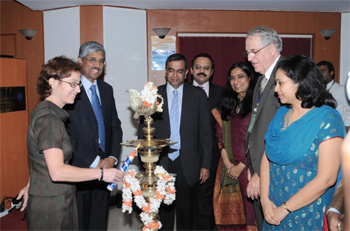 |
Inauguration of the 10th MDRF-UAB International Seminar |
|
(ii) Intensive training programme
Intensive training programme on clinical research methods is also conducted annually since 2005 in collaboration with University of Alabama at Birmingham (UAB). This course includes in-depth training on designing studies and risk factor analysis. The main objective is to improve the capability of the student/researcher, to identify methodological issues in study designs, ways to overcome potential problems, interpretation of the research findings, understanding the significance of the study results and improving the presentation and communication skills of researchers. Over 250 young researchers have benefited from this training programme.
(iii) Community Medicine Faculty Forum
To further strengthen the NCD clinical research in India, Community Medicine Faculty were invited to discuss the current and future curriculum for Non-Communicable Diseases, which was organized on 25th March 2011. Twenty two Community medicine faculty members from 13 different medical colleges from Puducherry, Karnataka, Assam, Arunachal Pradesh, Meghalaya, Orissa and Tamilnadu participated in this session.
(iv) Workshop on “Prevention of NCDs through Nutrition”
A workshop on “Prevention of NCDs through Nutrition” was also organized on 10th February 2012 to assess the existing NCD related nutrition promotion initiatives to identify the potential gaps, barriers and opportunities for promoting multi-sectoral participation in NCD prevention through nutrition. 25 faculty members and stakeholders in the field of nutrition participated in this session.
 |
Faculty members and stakeholders of various institutions who participated in the Nutrition workshop |
|
(v) Workshop on ‘Multi-sectoral Partnerships for Health Promotion and Non-Communicable Diseases (NCDs) Prevention in India’.
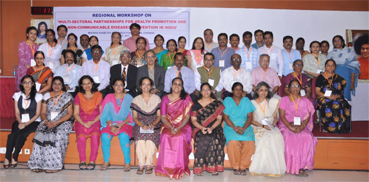
The Madras Diabetes Research Foundation (MDRF) in partnership with Public Health Foundation of India (PHFI) along with the Centre for Chronic Disease Control (CCDC), Health Related Information Dissemination Amongst Youth (HRIDAY) and supported by the World Health Organization (WHO) undertook an assessment of existing NCD related health promotion initiatives in India to identify the potential gaps, barriers and opportunities for promoting multi-sectoral participation in NCD prevention. Towards that, a one day regional workshop was organized on 23rd July 2011 at MDRF, Chennai. The aim of this workshop was to sensitize various stakeholders on NCD burden in the country and obtaining their inputs on how multi- sectoral partnerships can be achieved to alleviate the rising burden of NCDs in India. The inputs from the regional workshops formed the basis for the National summit held at New Delhi in August 2011 and facilitated in building a national consensus on articulating India’s position at the United Nations summit on NCDs held in September, 2011. The Participants/Stakeholders from various settings included: Government sector & Policy makers, Legal experts, Schools, Colleges, workplaces and communities, Health care providers (both for profit and not for profit institutions), Customs, excise and income tax, representatives from media, food and pharmaceutical industries, corporate & private sector, non- governmental organizations.
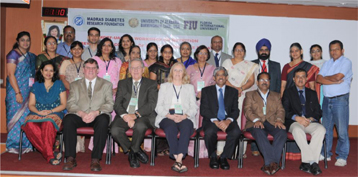 |
Participants of the workshop on ‘Multi-sectoral Partnerships for Health Promotion and NCDs Prevention in India |
|
4. EDUCATING THE PUBLIC
(i) Diabetes Monitor
This quarterly magazine is being published for diabetic individuals for more than a decade to educate the general and the diabetic community on prevention and management of diabetes and associated complications. This diabetes magazine has been designed as an additional resource for diabetic individuals to educate themselves about their role as active participants in the care of this disorder. The mission of the Diabetes Monitor is to:
a. Provide information about diabetes and its complications for individuals with diabetes and their families, and offer useful advice about the prevention and management of diabetic complications.
b. Support people with diabetes in their pursuit of quality of life
Diabetes monitor is published so as to reach even the Lay people.
(ii) Lay Press articles:
Research Grants division is committed to increasing the level of awareness of diabetes among public. This department has a critically important role in informing the public about the disease. This division forms communication channel to the lay audience by reporting about diabetes and its complications and also about the advanced treatments available to cure diabetes and its related disorders through lay press. Many articles have been published by this department in the leading magazines and news papers to educate the public about diabetes.
Portfolio of Past Activities of the Department |
1. Chennai Urban Rural Epidemiology Study (CURES) and Prevention, Awareness, Counseling and Evaluation (PACE) Diabetes Project
Funded by Chennai Willingdon Corporate Foundation, Chennai.
Two major project proposals the Chennai Urban Rural Epidemiology Study (CURES) to determine the prevalence of the diabetes and its complications in south Indians and PACE (Prevention, Awareness, Counseling and Evaluation) Diabetes Project to create massive awareness about diabetes and its complications among the public in Chennai city were drafted by the Research Operations department. The CURES is an ongoing project carried out by the Epidemiology Dept and has resulted in over 75 publications and the PACE diabetes project was completed successfully by the Translational Research Dept. and the results were amazing. Such projects can help prevent and control diabetes and its associated complications on a large scale.
[Activity – Epidemiology and Translational Research Departments]
2. MDRF/WDF Rural Diabetes Project
Funded by World Diabetes Foundation (WDF)
The Rural Diabetes Project was designed to take diabetes prevention and health care activities currently focused in urban areas to rural India. It aimed to improve the lives of millions of people affected with diabetes to which diabetes care is presently not available, accessible or affordable. The four year project was conducted in a cluster of villages atChunampet in Kancheepuram District, Tamilnadu about 100 Kms from Chennai. The project focused on a community based approach and to empower the local people, especially women and youth to become educators and catalyst in teaching people to adopt a healthy lifestyle. Screening for diabetes and its complications in the rural areas with particular respect to eye and foot complications using telemedicine were other aspects of the project. The other partners included Indian Space Research Organization (ISRO) Bangalore which provided satellite connection for the telemedicine facility and National Agro Foundation (NAF), which provided space for diabetes awareness & education programmes and helped in Identifying the self-help groups and youth for the project. This project helped evolve effective strategies, which could serve as a model in community based diabetes prevention programmes for rural areas in India and other developing countries.
[Activity - Epidemiology Department]
3. Obesity Reduction through Awareness of NCDs and Group Education – The ORANGE School Children Project
In India there is a pressing need to prevent the emerging twin global epidemics of diabetes and obesity known as ‘diabesity’. Intervention at the school level helps reduce the potential morbidity associated with CVD in India in the future. Thus the ORANGE School children project was planned with the objectives i) to screen for obesity and metabolic syndrome among urban adolescent school children in the age group of 12-16 years in Chennai city in southern India and to empower children regarding prevention of obesity and non communicable diseases (NCDs) through focussed awareness programmes
1. This study helped us to obtain data on prevalence of obesity, undiagnosed diabetes/pre diabetes, dyslipidemia and hypertension in urban school children.
2. This project incresed awareness about various NCDs among school children and the health care burden due to NCDs can be reduced in the future.
3. This demonstration project served as a role model to study the feasibility and viability for NCD prevention programmes in school children in India and other developing countries.
[Activity- Translational Research Dept]
4. Advanced Centre for Genomics for Type 2 diabetes
To carry out research on par with International Standards and to strengthen the facilities available at the Molecular genetics department of MDRF, the ‘ICMR Advanced Centre for genomics in Diabetes Mellitus’ was proposed. Under the auspices of the ‘ICMR Advanced Centre for genomics’, training was given to scientific personnel leading to capacity building and basic infrastructure was developed for carrying out genomic research related to diabetes and associated complications. The quality of diabetes research was improved by providing shared access to specialized technical resources and expertise in relation to genomics of diabetes and its complications. The research activities conducted in this advanced Genomics centre formed a solid basis for genetic epidemiology which will enable us to map the genetic diversity pertaining to diabetes in India.
[Activity-Molecular Genetics Dept] |
| Future trends |
- To intensify collaboration with institutes of similar interests in the field of diabetes to facilitate optimum fund utilization and seamless research.
|
| |
| Publications |
| 1. |
NCD Risk Factor Collaboration (NCD-RisC). Effects of diabetes definition on global surveillance of diabetes prevalence and diagnosis: a pooled analysis of 96 population-based studies with 331 288 participants. Lancet Diabetes Endocrinol. 2015;3:624-37. |
| 2. |
Anjana RM, Sudha V, Nair DH, Lakshmipriya N, Deepa M, Pradeepa R, Shanthirani CS, Subhashini S, Malik V, Unnikrishnan R, Binu VS, Patel SA, Hu FB, Mohan V. Diabetes in Asian Indians-How much is preventable? Ten-year follow-up of the Chennai Urban Rural Epidemiology Study (CURES-142). Diabetes Res Clin Pract. 2015; 109:253-61 |
| 3. |
Anjana RM, Sudha V, Lakshmipriya N, Subhashini S, Pradeepa R, Geetha L, Bai MR, Gayathri R, Deepa M, Unnikrishnan R, Binu VS, Kurpad AV, Mohan V. Reliability and validity of a new physical activity questionnaire for India. Int J Behav Nutr Phys Act. 2015 18;12:40. |
| 4. |
Madhumitha H, Mohan V, Kumar NP, Pradeepa R, Babu S, Aravindhan V. Impaired toll-like receptor signalling in peripheral B cells from newly diagnosed type-2 diabetic subjects. Cytokine. 2015: S1043-4666(15)00161-1 |
| 5. |
Berg CJ, Ajay VS, Ali MK, Kondal D, Khan HM, Shivashankar R, Pradeepa R, Mohan D, Fatmi Z, Kadir MM, Tandon N, Mohan V, Narayan KM, Prabhakaran D. A cross-sectional study of the prevalence and correlates of tobacco use in Chennai, Delhi, and Karachi: data from the CARRS study. BMC Public Health. 2015 11;15:483. |
| 6. |
Ali MK, Bhaskarapillai B, Shivashankar R, Mohan D, Fatmi ZA, Pradeepa R, Masood Kadir M, Mohan V, Tandon N, Venkat Narayan KM, Prabhakaran D; CARRS investigators. Socioeconomic status and cardiovascular risk in urban South Asia: The CARRS Study. Eur J Prev Cardiol. 2015 . pii: 047487315580891. |
| 7. |
Anjana RM, Shanthi Rani CS, Deepa M, Pradeepa R, Sudha V, Divya Nair H, Lakshmipriya N, Subhashini S, Binu VS, Unnikrishnan R, Mohan V. Incidence of Diabetes and Prediabetes and Predictors of Progression Among Asian Indians: 10-Year Follow-up of the Chennai Urban Rural Epidemiology Study (CURES). Diabetes Care. 2015 ;38:1441-8. |
| 8. |
Billow A, Anjana RM, Ngai M, Amutha A, Pradeepa R, Jebarani S, Unnikrishnan R, Michael E, Mohan V. Prevalence and clinical profile of metabolic syndrome among type 1 diabetes mellitus patients in southern India. J Diabetes Complications. 2015;29:659-64. |
| 9. |
Gujral UP, Narayan KM, Pradeepa RG, Deepa M, Ali MK, Anjana RM, Kandula NR, Mohan V, Kanaya AM. Comparing Type 2 Diabetes, Prediabetes, and Their Associated Risk Factors in Asian Indians in India and in the U.S.: The CARRS and MASALA Studies. Diabetes Care. 2015 ;38:1312-8 |
| 10. |
Anand S, Shivashankar R, Ali MK, Kondal D, Binukumar B, Montez-Rath ME, Ajay VS, Pradeepa R, Deepa M, Gupta R, Mohan V, Narayan KM, Tandon N, Chertow GM, Prabhakaran D. Prevalence of chronic kidney disease in two major Indian cities and projections for associated cardiovascular disease. Kidney Int. 2015 ;88:178-85. |
| 11. |
Poongothai S, Pradeepa R, Indulekha K, Surendar J, Mohan V. Association of depression with common carotid artery intima media thickness and augmentation index in a large Urban South Indian population- The Chennai Urban Rural Epidemiology Study (CURES - 138). Indian J Endocrinol Metab. 2015 ;19:136-42. |
| 12. |
Indulekha K, Surendar J, Anjana RM, Geetha L, Gokulakrishnan K, Pradeepa R, Mohan V. Metabolic obesity, adipocytokines, and inflammatory markers in Asian Indians--CURES-124. Diabetes Technol Ther. 2015 ;17:134-41. |
| 13. |
Pradeepa R, Surendar J, Indulekha K, Chella S, Anjana RM, Mohan V. Relationship of diabetic retinopathy with coronary artery disease in Asian Indians with type 2 diabetes: the Chennai Urban Rural Epidemiology Study (CURES) Eye Study--3. Diabetes Technol Ther. 2015;17:112-8 |
| 14. |
Pradeepa R, Surendar J, Indulekha K, Chella S, Anjana RM, Mohan V. Association of serum adiponectin with diabetic microvascular complications among south Indian type 2 diabetic subjects - (CURES-133). Clin Biochem. 2015;48:33-8. |
| 15. |
Ranjani H, Pradeepa R, Mehreen TS, Anjana RM, Anand K, Garg R, Mohan V.Determinants, consequences and prevention of childhood overweight and obesity: An Indian context. Indian J Endocrinol Metab. 2014 ;18(Suppl 1):S17-25. |
| 16. |
Adaikalakoteswari A, Jayashri R, Sukumar N, Venkataraman H, Pradeepa R, Gokulakrishnan K, Anjana RM, McTernan PG, Tripathi G, Patel V, Kumar S, Mohan V, Saravanan P. Vitamin B12 deficiency is associated with adverse lipid profile in Europeans and Indians with type 2 diabetes. Cardiovasc Diabetol. 2014 26;13:129. |
| 17. |
Unnikrishnan R, Anjana RM, Deepa M, Pradeepa R, Joshi SR, Bhansali A, Dhandania VK, Joshi PP, Madhu SV, Rao PV, Lakshmy R, Jayashri R, Velmurugan K, Nirmal E, Subashini R, Vijayachandrika V, Kaur T, Shukla DK, Das AK, Mohan V; ICMR–INDIAB Collaborative Study Group. Glycemic control among individuals with self-reported diabetes in India--the ICMR-INDIAB Study. Diabetes Technol Ther. 2014;16:596-603. |
| 18. |
Eschol J, Jebarani S, Anjana RM, Mohan V, Pradeepa R. Prevalence and incidence of peripheral arterial disease are higher in Asian Indian women with type 2 diabetes mellitus. J Diabetes Complications. 2014 |
| 19. |
Eshcol J, Jebarani S, Anjana RM, Mohan V, Pradeepa R. Peripheral arterial disease in patients with type 2 diabetes. J Diabetes Complications. 2014 ;28:913 |
| 20. |
Deepa M, Bhansali A, Anjana RM, Pradeepa R, Joshi SR, Joshi PP, Dhandhania VK, Rao PV, Subashini R, Unnikrishnan R, Shukla DK, Madhu SV, Das AK , Mohan V, Kaur T for the ICMR–INDIAB Collaborative Study Group. Knowledge and awareness of diabetes in urban and rural India: The ICMR–INDIAB study (Phase 1): ICMR-INDIAB 4. Indian J Endocrinol Metab, 2014; 18:379-85. |
| 21. |
Joshi SR, Anjana RM, Deepa M, Pradeepa R, Bhansali A, Dhandania VK, Joshi PP, Unnikrishnan R, Nirmal E, Subashini R, Madhu SV, Rao PV, Das AK, Kaur K, Shukla DK, Mohan V, for the ICMR– INDIAB Collaborative Study Group. Prevalence of dyslipidemia in urban and rural India: The ICMR-INDIAB study. PLoS One. 2014 ;9(5):e96808. |
| 22. |
Mohan V and Pradeepa R. Telemedicine in Diabetes care In rural India, a new prevention project seeks to fill in the screening gap. IEEE pulse May/June 2014 |
| 23. |
Pradeepa R, Chella S, Surendar J, Indulekha K, Anjana RM, Mohan V. Prevalence of peripheral vascular disease and its association with carotid intima-media thickness and arterial stiffness in type 2 diabetes: The Chennai Urban Rural Epidemiology Study (CURES 111). Diab Vasc Dis Res. 2014 : 11;190-200 |
| 24. |
Mohan V, Prathiba V, Pradeepa R. Tele-diabetology to Screen for Diabetes and Associated Complications in Rural India.The Chunampet Rural Diabetes Prevention Project Model. J Diabetes Sci Technol. 2014, February 27, 2014, doi:10.1177/1932296814525029 |
| 25. |
Anjana RM, Pradeepa R, Das AK, Deepa M, Bhansali A, Joshi SR, Joshi PP, Dhandhania VK, Rao PV, Sudha V, Subashini R, Unnikrishnan R, Madhu SV, Kaur T, Mohan V, Shukla DK; ICMR– INDIAB Collaborative Study Group. Physical activity and inactivity patterns in India - results from the ICMR-INDIAB study (Phase-1) [ICMR-INDIAB-5]. Int J Behav Nutr Phys Act. 2014: 26;11:26. |
| 26. |
Skar M, Villumsen AB, Christensen DL, Petersen JH, Deepa M, Anjana RM, Pradeepa R, Mohan V. Increased risk of type 2 diabetes with ascending social class in urban South Indians is explained by obesity: The Chennai urban rural epidemiology study (CURES-116). Indian J Endocrinol Metab. 2013 ;17:1084-9. |
| 27. |
Anbalagan VP, Venkataraman V, Pradeepa R, Deepa M, Anjana RM, Mohan V. The prevalence of presarcopenia in Asian Indian individuals with and without type 2 diabetes. Diabetes Technol Ther. 2013;15:768-75. |
| 28. |
Mohan V, Seedat YK, Pradeepa R. The rising burden of diabetes and hypertension in southeast asian and african regions: need for effective strategies for prevention and control in primary health care settings. Int J Hypertens. 2013;2013:409083.doi: 10.1155/2013/409083. |
| 29. |
Gujral UP, Pradeepa R, Weber MB, Narayan KM, Mohan V.Type 2 diabetes in South Asians: similarities and differences with white Caucasian and other populations. Ann N Y Acad Sci. 2013 ;1281:51-63 |
| 30. |
Mohan V,Rani CS, Regin BS, Balasubramanyam M, Anjana RM, Matter NI, Poongothai S, Deepa M, Pradeepa R. Noninvasive Type 2 Diabetes Screening: Clinical Evaluation of SCOUT DS in an Asian Indian Cohort. Diabetes Technol Ther. 2013 ;15:39-45. |
| 31. |
Mohan V, Deepa M, Pradeepa R, Prathiba V, Datta M, Ravikumar S, Rakesh H, Sucharita Y, Webster P, Allender S, Kapur A, Anjana RM. Prevention of Diabetes in Rural India with a Telemedicine Intervention. J Diabetes Sci Technol. 2012; 6:1355 – 1364. |
| 32. |
Nair M, Ali MK, Ajay VS, Shivashankar R, Mohan V, Pradeepa R, Deepa M, Khan HM, Kadir MM, Fatmi ZA, Reddy KS, Tandon N, Narayan KMV, Prabhakaran D. CARRS Surveillance study: design and methods to assess burdens from multiple perspective. BMC Public Health. 2012, 12:701 |
| 33. |
Pradeepa R, Nazir A, Mohan V. Type 2 diabetes and cardiovascular diseases: do they share a common soil? The Asian Indian experience.Heart Asia 2012;4:69-76 |
| 34. |
Pradeepa R, Prabhakaran D, Mohan V. Emerging Economies and Diabetes and Cardiovascular Disease. Diabetes Technology & Therapeutics. 2012, 14(S1): S-59-S-67. |
| 35. |
Yau JW, Rogers SL, Kawasaki R, Lamoureux EL, Kowalski JW, Bek T, Chen SJ, Dekker JM, Fletcher A, Grauslund J, Haffner S, Hamman RF, Ikram MK, Kayama T, Klein BE, Klein R, Krishnaiah S, Mayurasakorn K, O'Hare JP, Orchard TJ, Porta M, Rema M, Roy MS, Sharma T, Shaw J, Taylor H, Tielsch JM, Varma R, Wang JJ, Wang N, West S, Xu L, Yasuda M, Zhang X, Mitchell P, Wong TY; Meta-Analysis for Eye Disease (META-EYE) Study Group. Global prevalence and major risk factors of diabetic retinopathy. Diabetes Care. 2012; 35:556-564. |
| 36. |
Deepa M, Pradeepa R, Anjana RM, Mohan V. Noncommunicable Diseases Risk Factor Surveillance: Experience and Challenge from India. Indian Journal of Community Medicine. 2011;36 (Suppl):S50-56. |
| 37. |
Anjana RM, Pradeepa R, Deepa M, Datta M, Sudha V, Unnikrishnan R, Bhansali A, Joshi SR, Joshi PP, Yajnik CS, Dhandhania VK, Nath LM, Das AK, Rao PV, Madhu SV, Shukla DK, Kaur T, Priya M, Nirmal E, Parvathi SJ, Subhashini S, Subashini R, Ali MK, Mohan V for the ICMR– INDIAB Collaborative Study Group. Prevalence of diabetes and prediabetes in urban and rural India: results of the ICMR-INDIAB study (Phase-1). Diabetologia 2011 ;54:3022-7. |
| 38. |
Anjana RM, Pradeepa R, Deepa M, Datta M, Sudha V, Unnikrishnan R, Nath LM, Das AK, Madhu SV, Rao PV, Shukla DK, Kaur T, Ali MK, Mohan V. The Indian Council of Medical Research–India Diabetes (ICMR–INDIAB) Study: Methodological Details. J Diabetes Sci Technol 2011; 5: 906-914. |
| 39. |
Poongothai S, Anjana RM, Pradeepa R, Ganesan A, Unnikrishnan R, Rema M. Mohan V. Association of depression with complications of type 2 diabetes – The Chennai Urban Rural Epidemiology Study (CURES – 102). J Assoc Physicians India. 2011;59:640-44 |
| 40. |
Pradeepa R, Mohan V. Postprandial glycaemia excursions and cardiovascular risk. Journal of Indian Medical Association. 2011; 109; 912-920 |
| 41. |
Pradeepa R, Prabu AV, Jebarani S, Subhashini S, Mohan V. Use of a large diabetes electronic medical record system in India: clinical and research applications. J Diabetes Sci Technol. 2011 1;5:543-52. |
| 42. |
Priya M, Mohan Anjana R, Pradeepa R, Jayashri R, Deepa M, Bhansali A, Mohan V. Comparison of Capillary Whole Blood Versus Venous Plasma Glucose Estimations in Screening for Diabetes Mellitus in Epidemiological Studies in Developing Countries. Diabetes Technol Ther, 2011; 13:586–591. |
| 43. |
Anjana RM, Ali MK, Pradeepa R, Deepa M, Datta M, Unnikrishnan R, Rema M, Mohan V. The need for obtaining accurate nationwide estimates of diabetes prevalence in India - Rationale for a national study on diabetes. Indian J Med Res 2011; 133: 369-380. |
| 44. |
Mohan V, Pradeepa R, Deepa M. Type 2 diabetes in India: An Epidemiological Overview. MediNEWS.Direct 2010; 2: 17-21 |
| 45. |
Poongothai S, Anjana RM, Pradeepa R, Ganesan A, Umapathy N, Mohan V. Prevalence of Depression in Relation to Glucose Intolerance in Urban South Indians-The Chennai Urban Rural Epidemiology Study (CURES-76). Diabetes Technol Ther. 2010;12:989-94. |
| 46. |
Sonya J, Ranjani H, Pradeepa R, Mohan V. Obesity Reduction and Awareness and Screening of Noncommunicable Diseases through Group Education in children and adolescents (ORANGE): methodology paper (ORANGE-1). J Diabetes Sci Technol. 2010 ;4:1256-64. |
| 47. |
Pradeepa R, Anjana RM, Unnikrishnan R, Ganesan A, Mohan V, Rema M. Risk factors for microvascular complications of diabetes among south indian subjects with type 2 diabetes--the Chennai Urban Rural Epidemiology Study (CURES) Eye Study-5. Diabetes Technol Ther. 2010 Oct;12:755-61 |
| 48. |
Mohan V, Vassy JL, Pradeepa R, Deepa M, Subashini S. The Indian Type 2 Diabetes Risk Score also Helps Identify those at Risk of Macrovasvular Disease and Neuropathy (CURES-77). JAPI 2010; 58: 430-433 |
| 49. |
Mohan V, Venkatraman JV, Pradeepa R. Epidemiology of Cardiovascular Disease in Type 2 Diabetes: The Indian Scenario. Journal of Diabetes Science and Technology, 2010;4; 158-170 |
| 50. |
Poongothai S, Pradeepa R, Ganesan A, Mohan V, Prevalence of depression in a large urban south Indian population-The Chennai Urban Rural Epidemiology study (CURES-70).PLOS ONE . 2009, 28;4:e7185. |
| 51. |
Rema M, Pradeepa R. Retinal Stem Cells. Journal of Tamil Nadu Ophthalmic Association. 2009; 47: 58-59. |
52. |
Mohan V, Pradeepa R. Epidemiology of diabetes in different regions of India. Health Administrator 2009; 22:: 1- 18 |
| 53. |
Mohan V, Pradeepa . Mortality in diabetes mellitus: revisiting the data from a developing region of the world. Postgrad Med J. 2009;85:225-6 |
| 54. |
Poongothai S, Pradeepa R, Ganesan A, Mohan V. Reliability and Validity of a Modified PHQ-9 Item Inventory (PHQ-12) as a Screening Instrument for Assessing Depression in Asian Indians (Cures - 65). J Assoc Physicians India 2009;57:147-52 |
| |
|
CHAPTERS IN TEXTBOOKS |
| |
|
| 1. |
Mohan V. Unnikrishnan R, Pradeepa R. Role of information technology in the prevention, control and management of NCDs. In: “Public Health approaches to Non- communicable Diseases”. Thakur JS (Ed). Woltwers Kluwer (India) Pvt. Ltd., New Delhi. 2015;p 169 – 181 |
| 2. |
Mohan V, Pradeepa R, Anjana RM. Diabetes in india : An Epidemiological Review. In: Current Controversies & Consensus in Diabetes Management. Das AK (ed).Micro Lab Limited, Banglore, 2015;1-14. |
| 3. |
Mohan V, Pradeepa R, Anjana RM. Epidemiology and its application to clinical care in diabetes. In: Improving Diabetes Care in the Clinic. Shah JH (ed). Jaypee Brothers Medical Publishers (P) Ltd, New Delhi. 2014; pp 31- 54. |
| 4. |
Pradeepa R, Rajalakshmi R. Eye diseases in Diabetes. In: RSSDI Textbook of Diabetes Mellitus. 3rd edition. Chandalia HB, Das AK, Rao PV, Madhu SV, Mohan V, RSSDI, 2014; p.989-1012. |
| 5. |
Mohan V, Pradeepa R, Chella KS. Diabetes in India – burden and prevention. In : Non-Communibale Diseases in India : Burden & Prevention 2013. Das AK (ed). Published by Indian College of Physicians and Academic Wing of the Association of Physicians of India, Mumbai. 2013;1-8 |
| 6. |
Mohan V, Pradeepa R. The Quality of Diabetes Care and the Prevention and Control of Diabetes in Developing Countries: An Illustration from India In:Diabetes Public Health: From Data to Policy. K.M. Venkat Narayan, Desmond Williams, Edward Gregg, and Catherine Cowie (Eds),Oxford University Press,2010,p 581-602 |
| 7. |
Mohan V, Pradeepa R, Deepa M, Anjana RM, Unnikrishnan RI, Datta M. How to detect the millions of people in India with undiagnosed diabetes cost effectively. In: Medicine Update. Rao MS(Ed), The Association of Physicians of India, 2010; 20:pp. 93 – 96. |
| 8. |
Rema M, Pradeepa R. Aetiological mechanisms in diabetic retinopathy In: Diabetic Retinopathy for the Clinician, Chandran Abraham & Annie Mathai (Eds), Jaypee Brothers Medical Publishers. 2009; p. 49-68 |
| |
|
| |
|
| |
|
|
| |
| |
| |
| |
| |
| Research Team |
| |
|
Dr. Guha Pradeepa
Ms. K.S. Chella
Mr. Nirmal Elangovan
Ms. A. Sunitha |
Sr.Scientist & Head
Research Officer
Project Coordinator
Sr.Secretary |
| |
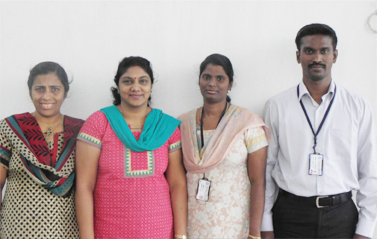 |
Ms. A. Sunitha, Dr. Guha Pradeepa, Ms. K.S. Chella, Mr. Nirmal Elangovan
|
| |